
Mastering Oakmont: US Open Challenges and Expert Insights

- Authors
- Published on
- Published on
In this riveting episode from Precision Golf, the spotlight shines on the legendary Oakmont course gearing up for the US Open. A battleground where golfing titans like Angel Cabrera and Jack Nicholas have etched their names in history. The crux of the matter? Mastering the art of driving, a skill that separates the men from the boys in this unforgiving terrain. The lush fairways beckon, but stray off course, and you'll find yourself tangled in the gnarly rough, facing a Herculean task to salvage your score.
But Oakmont isn't just about power; it's a test of precision and nerve. Picture blind shots, where your instincts and caddy's guidance are all you have to navigate the treacherous waters. The Church Pew bunkers loom ominously, ready to swallow any wayward shot with their unforgiving depths. And let's not forget about the greens - lightning-fast, undulating, and downright diabolical. Approach shots must be executed with surgical precision, or risk tumbling down the leaderboard faster than a lead balloon.
As the discussion shifts to the greens, the stage is set for a nail-biting showdown between player and course. The undulating slopes and breakneck speeds of Oakmont's greens demand nothing short of perfection. A slight misstep, and you'll find yourself in a world of hurt, scrambling to save par from the brink of disaster. It's a game of inches, where the slightest miscalculation can spell doom for even the most seasoned pros.
And then, there's the dreaded 8th hole - a beast of a par 3 that strikes fear into the hearts of even the most seasoned veterans. At 280 yards, it's a true test of skill and strategy, where one wrong move can send your hopes of victory spiraling into the abyss. The US Open at Oakmont isn't just a golf tournament; it's a battle of wits, skill, and sheer determination. Who will emerge victorious from this crucible of golfing excellence? Stay tuned for more insights and predictions from Precision Golf as the drama unfolds on the hallowed grounds of Oakmont.

Image copyright Youtube
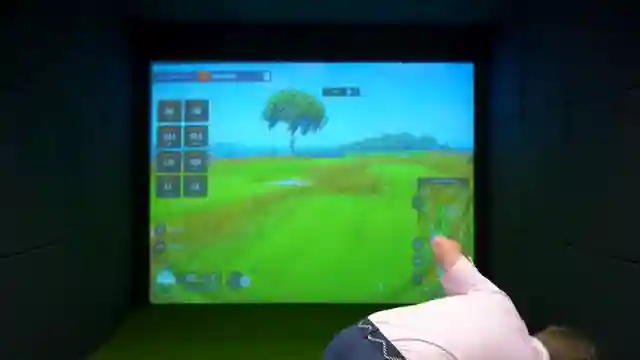
Image copyright Youtube
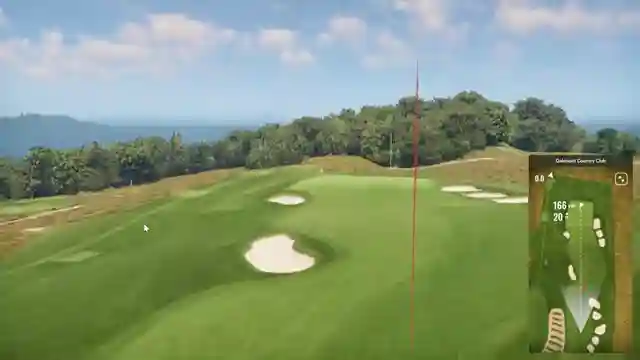
Image copyright Youtube

Image copyright Youtube
Watch US Open at Oakmont: Why its the MOST FEARED Course in Golf on Youtube
Viewer Reactions for US Open at Oakmont: Why its the MOST FEARED Course in Golf
Carnoustie is considered one of the most humbling golf courses, especially with wind and rain.
Oakmont is known for its rough and challenging greens, with Stimp readings potentially higher on the slopes.
Oakmont can be demoralizing for players, even for those with low handicaps.
Playing Oakmont requires good course management.
Tiger Woods mentioned Oakmont and Carnoustie as the only two courses capable of hosting a major at any time.
A par 3 of 280 yards is considered ridiculous.
Some are glad they are not playing Oakmont.
Related Articles

Mastering Custom Fitting: Data-Driven Insights for Peak Performance
Precision Golf explains the essence of custom fitting, emphasizing data-driven insights and dynamic testing for optimal equipment choices. Specialist fitters offer tailored solutions, enhancing on-course performance through meticulous club customization.

Enhancing Golf Skills: Lesson Frequency, Iron Advancements & Shaft Options
Precision Golf discusses lesson frequency for mid-handicappers, recommending structured practice between sessions. They explore advancements in hollow body irons and suggest lighter, balanced shaft options for optimal performance. The video wraps up with gratitude for viewer engagement and invites feedback for future episodes.

Optimizing Performance: The Impact of Golf Grip Size
Precision Golf explores how grip size impacts performance, emphasizing comfort and control. From undersized to midsize grips, find the perfect fit for your game.

Enhance Your Golf Game: Preventing Common Injuries Through Warm-Ups
Learn from Precision Golf's Stuart Robinson how warming up and improving mobility can prevent common golf injuries like lower back and neck pain, enhancing your game and overall performance.